News

Some like it hot! Others, not so much. If you have a large home with multiple stories or a large household with family members who prefer different temperatures, consider installing a zone control system. A zone control system—or HVAC zoning—only provides the necessary cooling or heating that each zone in your home needs at the…
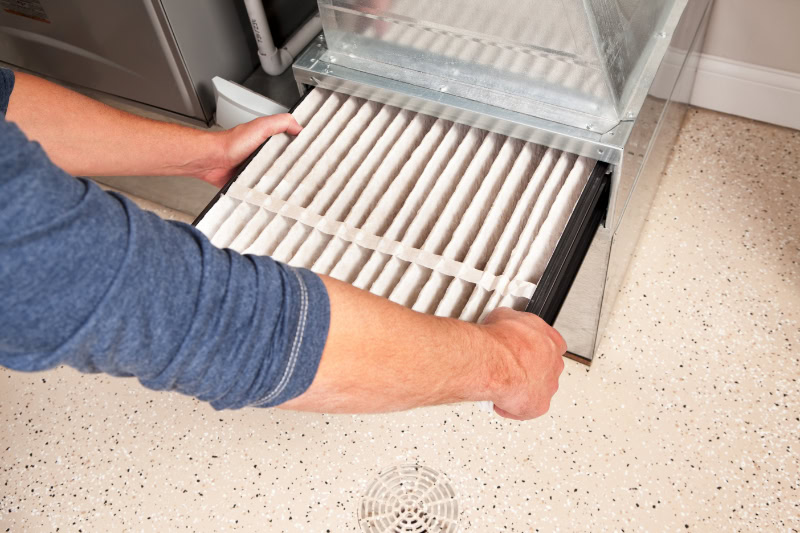
Furnace filters. They’re one of those items not really on the top of everyone’s minds, but they are important and can have a big impact. At , we know that with the right furnace filter, you can save money and improve the indoor air quality (IAQ) in your , home. What Does a Furnace Filter…
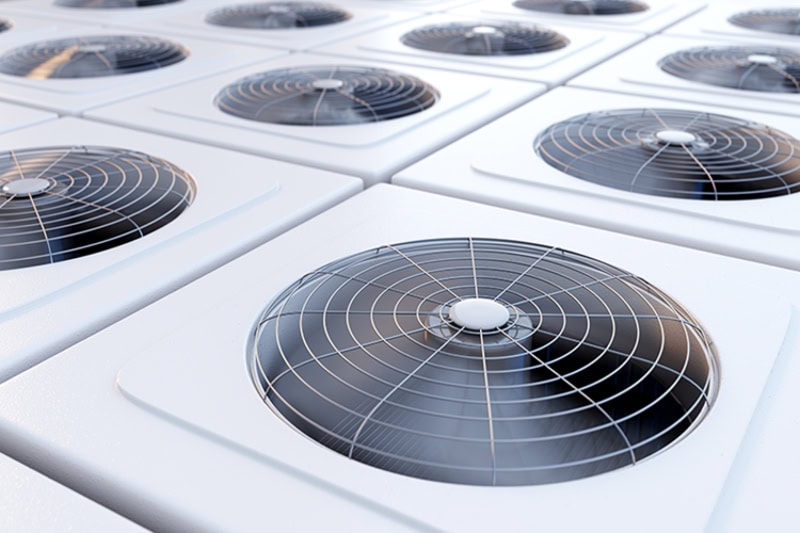
Spring is the perfect time to tune up your commercial heating, ventilation, and air conditioning (HVAC) system. Why Spring for HVAC Cleaning? As your reliance on your heating system winds down, springtime provides a well-deserved break in the action for both your heating and cooling systems. Neither is overworked in the milder in-between weather here…
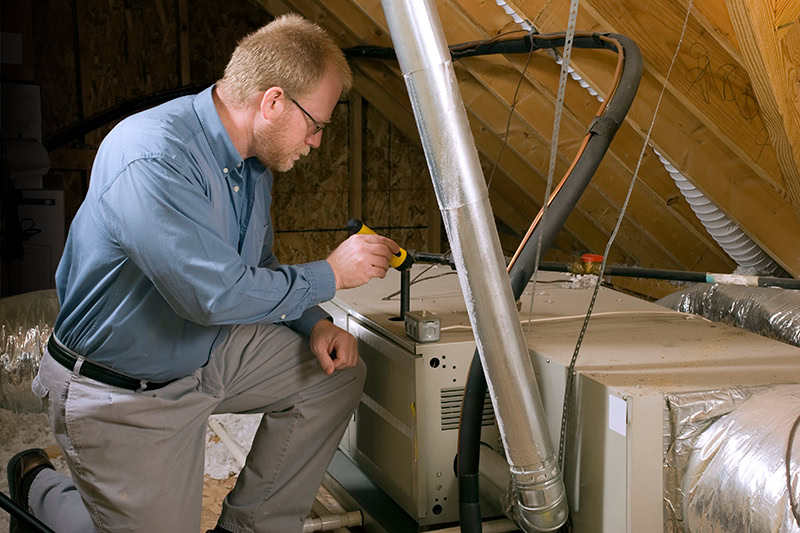
It’s understandable that home maintenance tasks can fall by the wayside. Many homeowners in , follow the old saying: “If it ain’t broke, don’t fix it.” Life gets busy, and other priorities tend to creep in each month, eating away at your time and budget. But the last thing you want to deal with during…
When it comes to keeping your home warm and comfortable, few components are as important as the heat exchanger. While it works quietly behind the scenes, the heat exchanger is truly the workhorse of your furnace—responsible for delivering safe, efficient heat throughout your home all winter long.
On a frosty winter’s day here in , your gas furnace is hard at work, keeping your home warm and cozy. Feeling grateful? You’re not alone—it is one of the most popular forms of heating, as American as apple pie. In 1919, New Jersey inventor Alice H. Parker filed a patent for the first gas-fueled furnace.…
Are you anticipating a higher heating bill this winter? Here in Saginaw, temperatures can get pretty low. The only way to ensure you remain perfectly comfortable inside your home is by cranking up the heat.

It is an “Oh no!” moment when you approach your home’s thermostat and see its blank screen.
Is this a serious issue—does it mean your furnace, heat pump, or air conditioning is broken? Not necessarily. In fact, most of the time, it is something minor and can be easily fixed!

So, your trusty AC or furnace has finally thrown in the towel. You start researching replacement options and keep running into this thing called a heat pump.
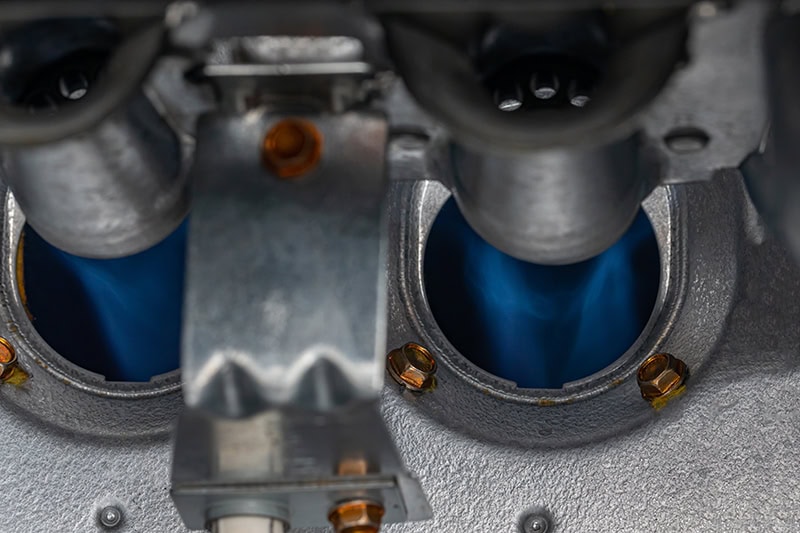
Winter in Freeland is shaping up to be especially harsh this year. Can you imagine not having your furnace to help you make it through? You go to turn it on … and instead of rushing warm air through your ducts, it rattles, groans, and then just sits in sullen silence, clearly protesting another season of overworked servitude.